
The idea
The future of Bovisa
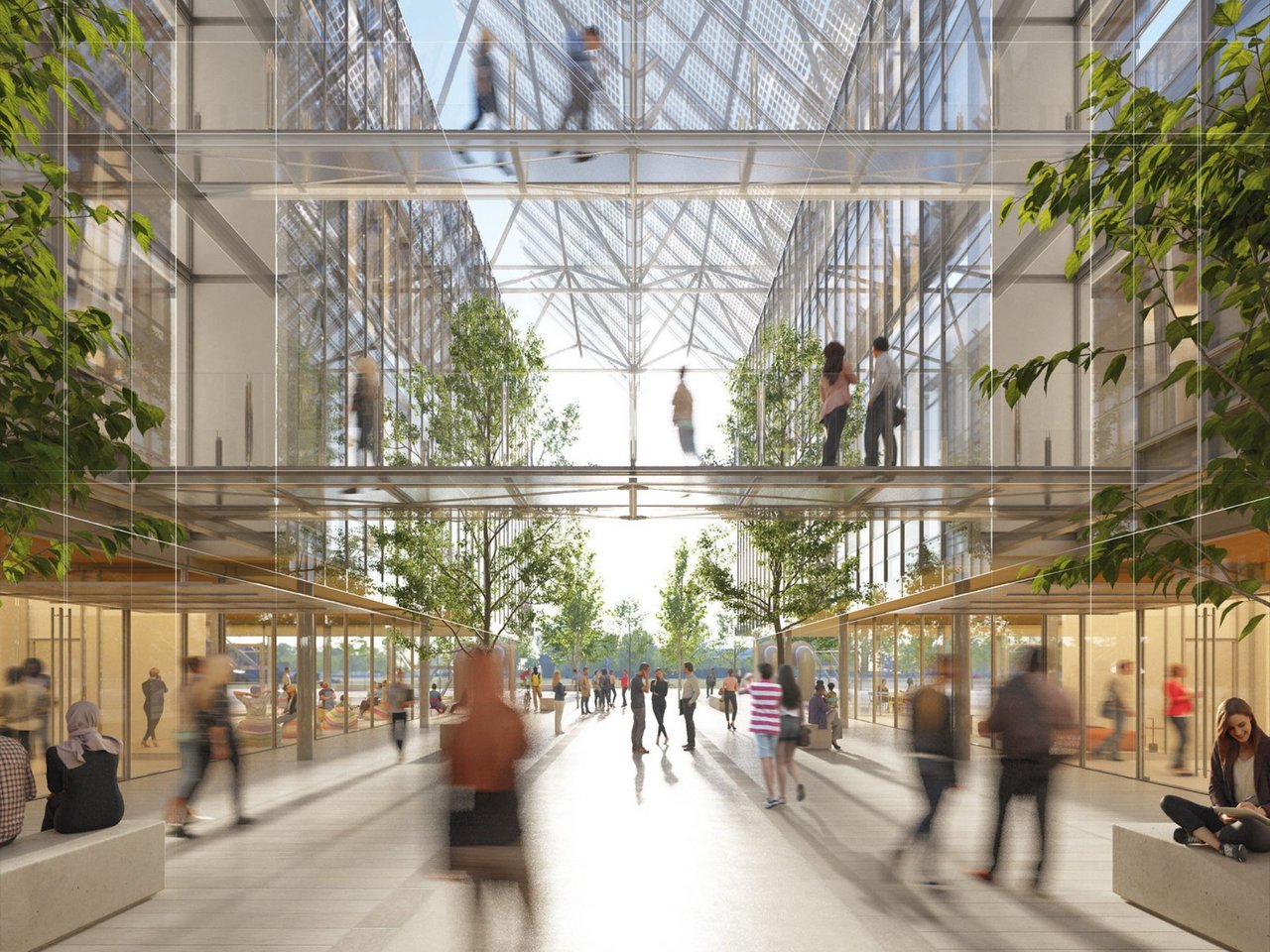
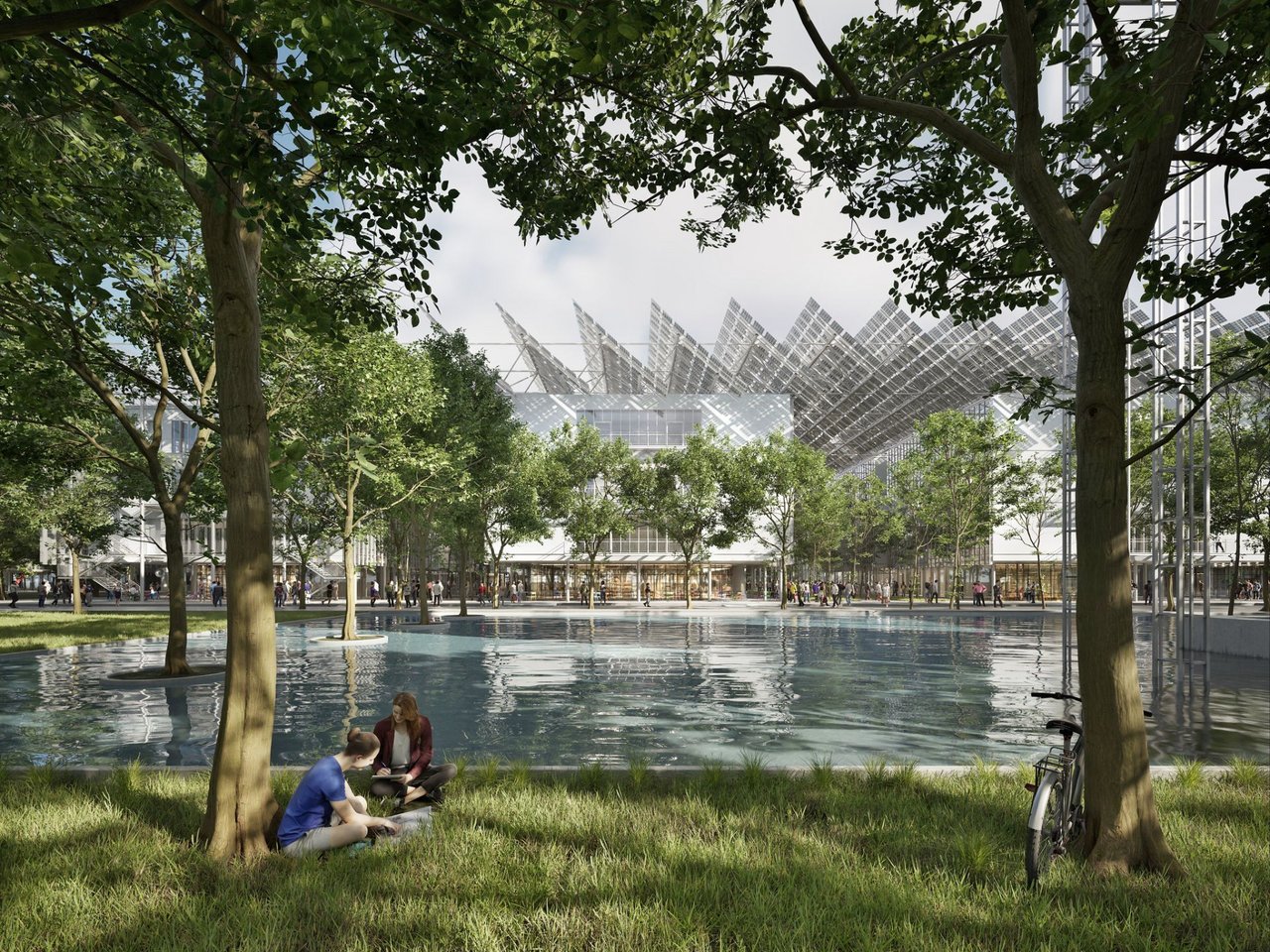
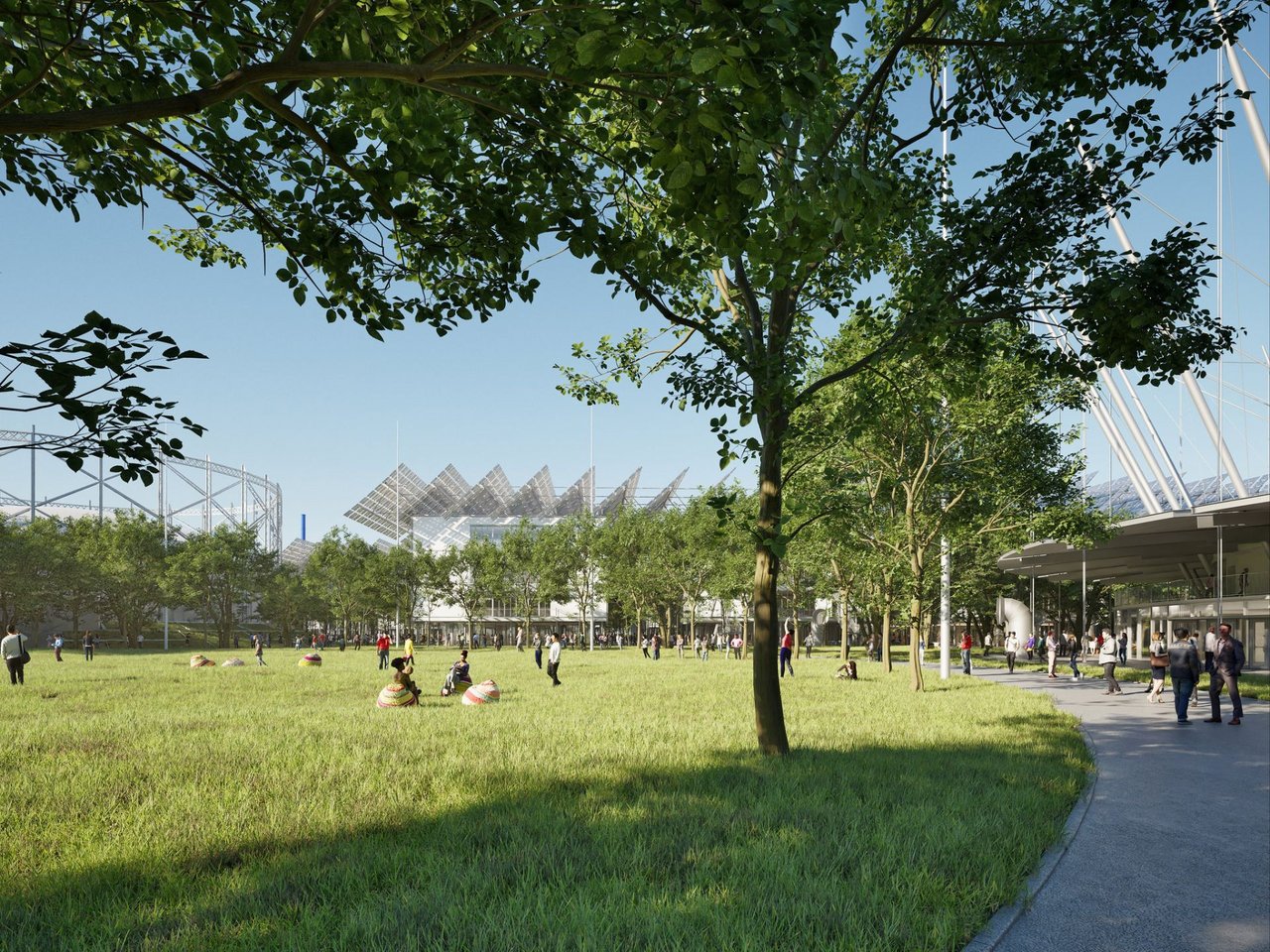
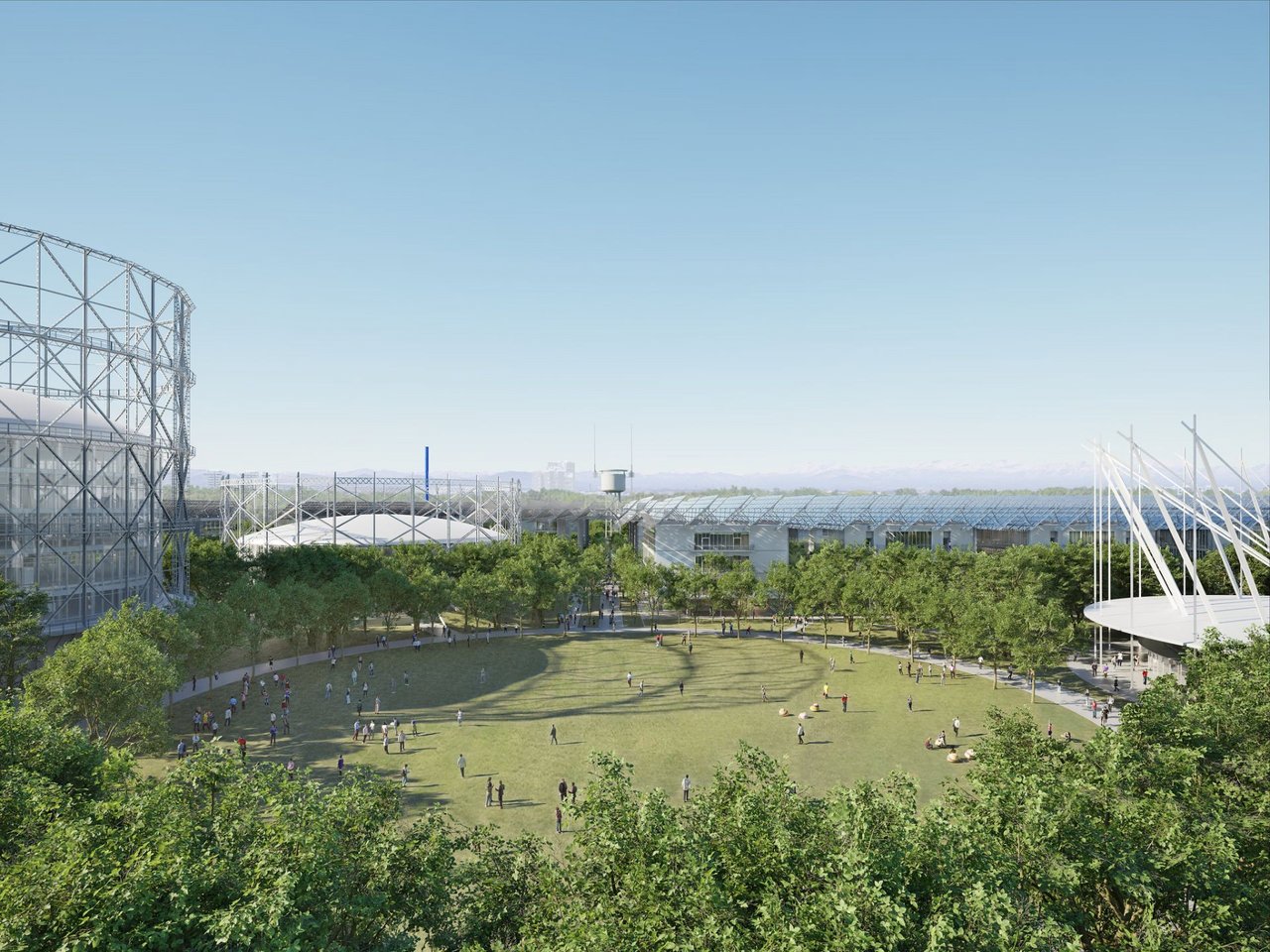
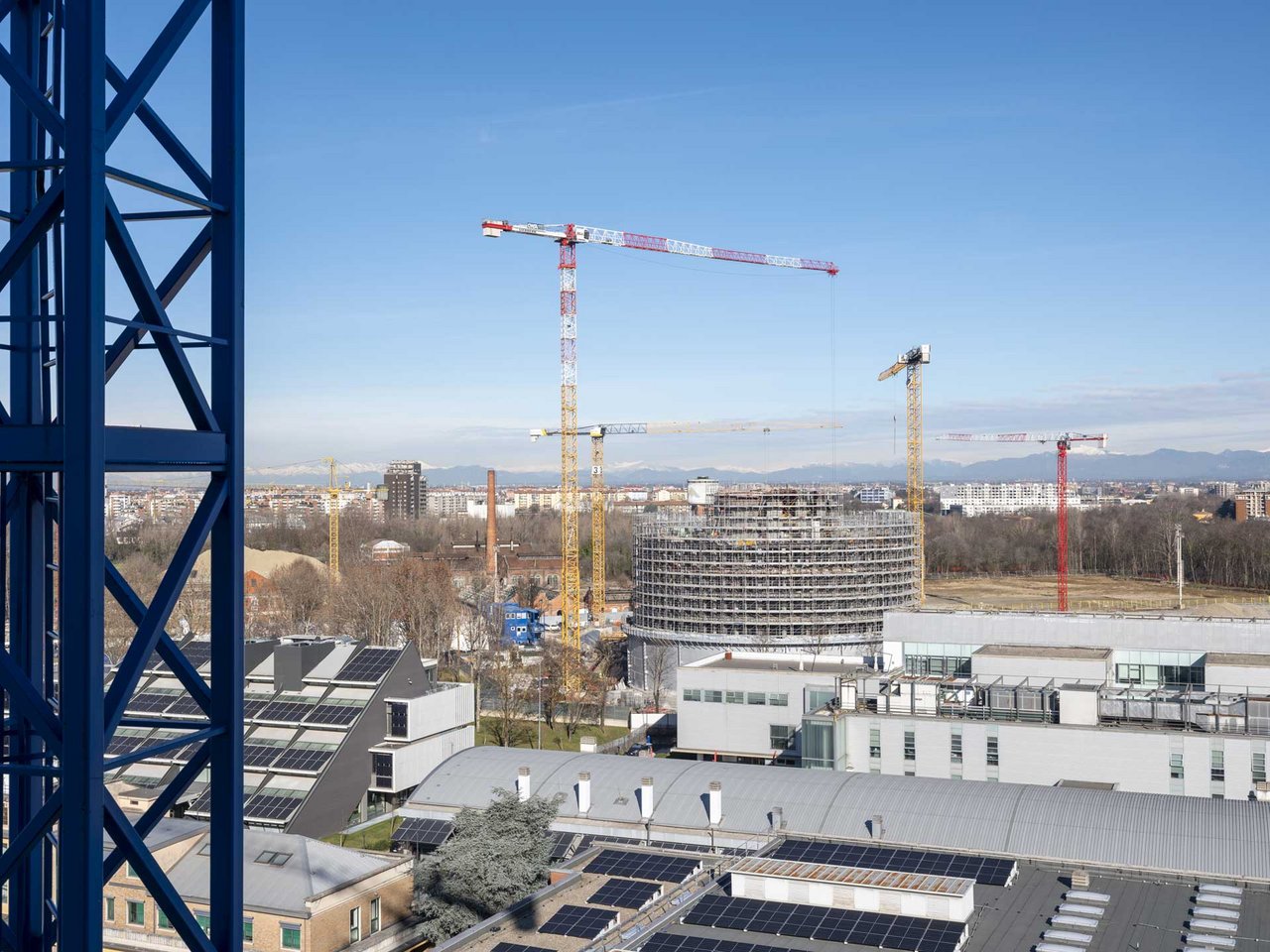
The future of the Politecnico di Milano in the Bovisa neighbourhood is linked to the project involving the 'Goccia', a large abandoned teardrop-shaped area featuring over 30 hectares of woodland and historical buildings and relics from the industrial past: notably the famous gasometers, which once met the city's need for light and hot water. The redevelopment project aims to maintain the morphology of the gasometers as a recognisable icon of the neighbourhood's history, using them as a symbol of reuse and architectural regeneration. The area of the gasometers is set to become a new Innovation District, an ecosystem fostering collaboration between universities, companies and the city, and will house the Sports Factory, a four-storey structure for physical activity.
The Bovisa-Goccia Masterplan was designed by Renzo Piano and will allow a new, modern, avant-garde and sustainable campus to be built in this area, in line with the main quality standards. The result is an innovative and open campus, capable of bringing history and the future together and strengthening the role of the university as an engine for development of the neighbourhood and the entire city.



The timeline of the project
Agreement with MIT
An agreement was signed between the Politecnico di Milano and the Ministry of Infrastructure and Transport for the co-financing of the new North Campus (for a total of € 45 million)
The site
Construction of the entire North Campus began
The foundation stone
The foundation stone of the Gasometri Park was laid
The Masterplan
The Masterplan designed by Renzo Piano and Andrea Kipar was officially presented at the Politecnico di Milano
Renzo Piano
The Rectorate invited Renzo Piano to take a walk in the Goccia area to assess the state of it and study the development of the project
The project
Planning of the Gasometri Park began
The decision
The Politecnico decided to expand its presence in the Bovisa neighbourhood by occupying the Goccia area