

Labels for fruit and vegetables are becoming edible
An edible and compostable label, capable of reducing the environmental impact of agri-food packaging, improving the management of organic waste and offering new guarantees of safety and traceability throughout the supply chain. This is the result achieved thanks to APPEAL - Agrifood Protected by Printable Edible Authenticating Label, the project funded by the Italian Fund for Applied Sciences (FISA) of the Ministry of University and Research and coordinated by the Politecnico di Milano together with seven scientific and industrial partners, including the Melinda Consortium.
Against a backdrop of continuous growth in the global labelling market, edible labels offer a practical solution to the major environmental challenges: climate change, rising waste levels and the need to accelerate the transition to circular production models. One of the main objectives is to provide an effective solution to the contamination of organic waste for composting.
The innovation developed by APPEAL also opens up new prospects for the circular bioeconomy, a sector worth approximately €3 trillion in Europe and with Italy among the leading countries, with over €400 billion in generated value and more than 2 million employed people.
The research team from the Department of Energy of Politecnico developed stamps from plant ingredients and matrices based on polysaccharides and pectin, also recovered from bioproducts of apple processing. Great attention was paid to the development of edible films, water-based food glues, and inks compatible with food-grade printing, designed to ensure information security, stability, and readability.
The goal was to design a label that was not only edible and safe, but also ready to respond to new regulatory and industrial needs. The prototypes developed already comply with the targets set by the PPWR, the new European packaging regulation that will come into force in August and significantly raise recycling targets and compostability requirements for some packaging, including food labels. Furthermore, the solution is designed to be easily scalable to an industrial level and adaptable to different fruit and vegetable applications.
Andrea Macrelli, researcher at the Department of Energy
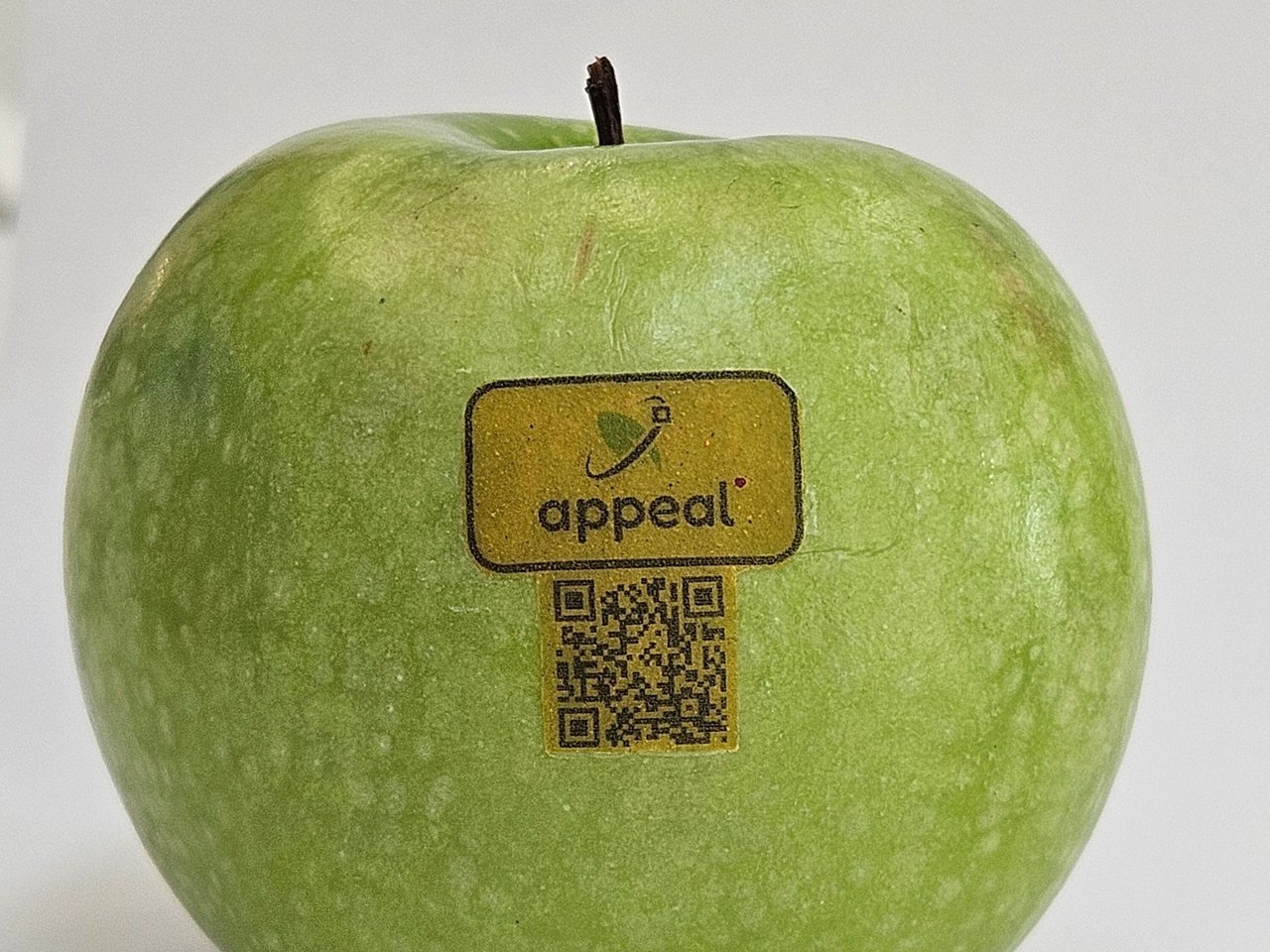
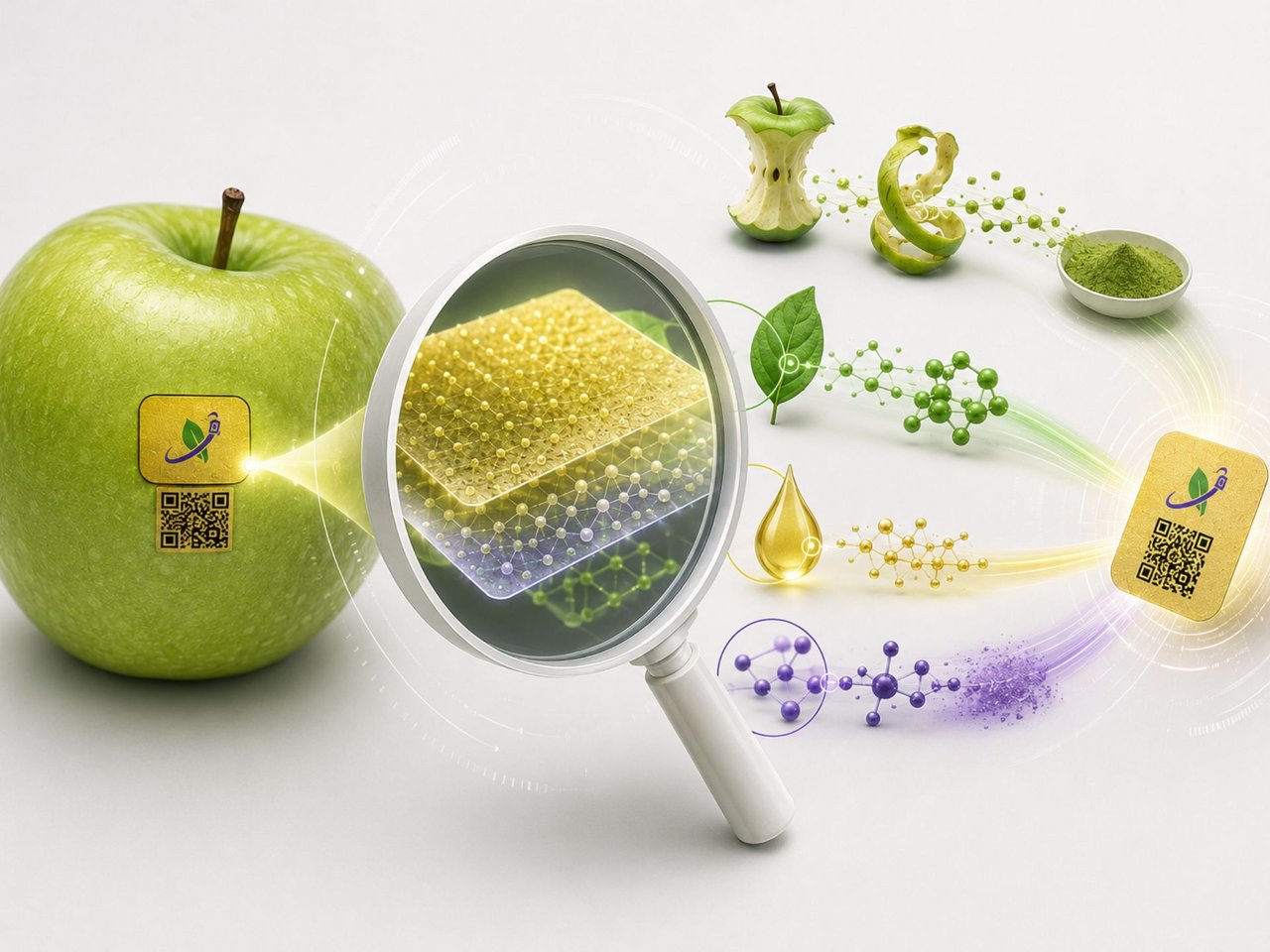
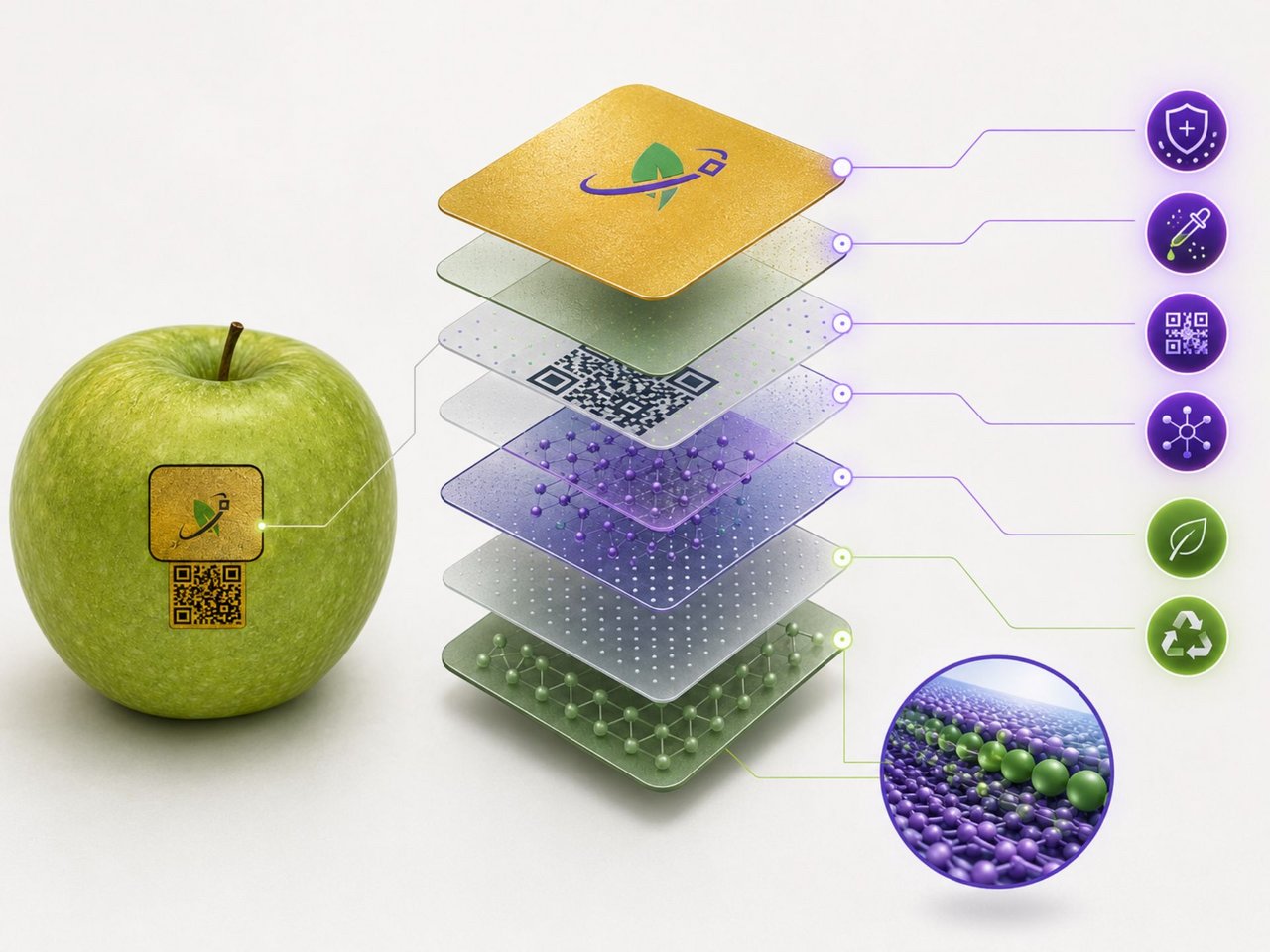
Thanks to the collaboration with Consorzio Melinda, the labels were tested: they showed good mechanical strength, high adhesive capacity even under critical humidity conditions, and promising performance in terms of biodegradability and compostability.
Alongside the environmental benefits, the project also highlights significant health benefits. In Italy alone, between 9 and 22 million labels are accidentally eaten every year. For this reason, the new APPEAL labels underwent rigorous in vitro biological testing: the results showed high biocompatibility and no signs of cellular damage, genotoxicity or immunotoxicity.
The label is also designed with three levels of security, offering different access to information throughout the supply chain: public data can be read by consumers using a smartphone, the label’s authenticity can be verified using a standard UV torch, whilst advanced and confidential information is accessible to operators via dedicated optical devices. This solution enhances authenticity, traceability and the fight against counterfeiting.
With APPEAL, we wanted to turn an environmental problem into a tangible opportunity for innovation. These safe, edible and industrially scalable labels can reduce the impact of plastic materials and introduce new features for authenticating agri-food products. The next step will be to work with our partners to bring this technology to market.
Carlo Spartaco Casari, Full Professor of Physics of Matter and Principal Investigator of the project